
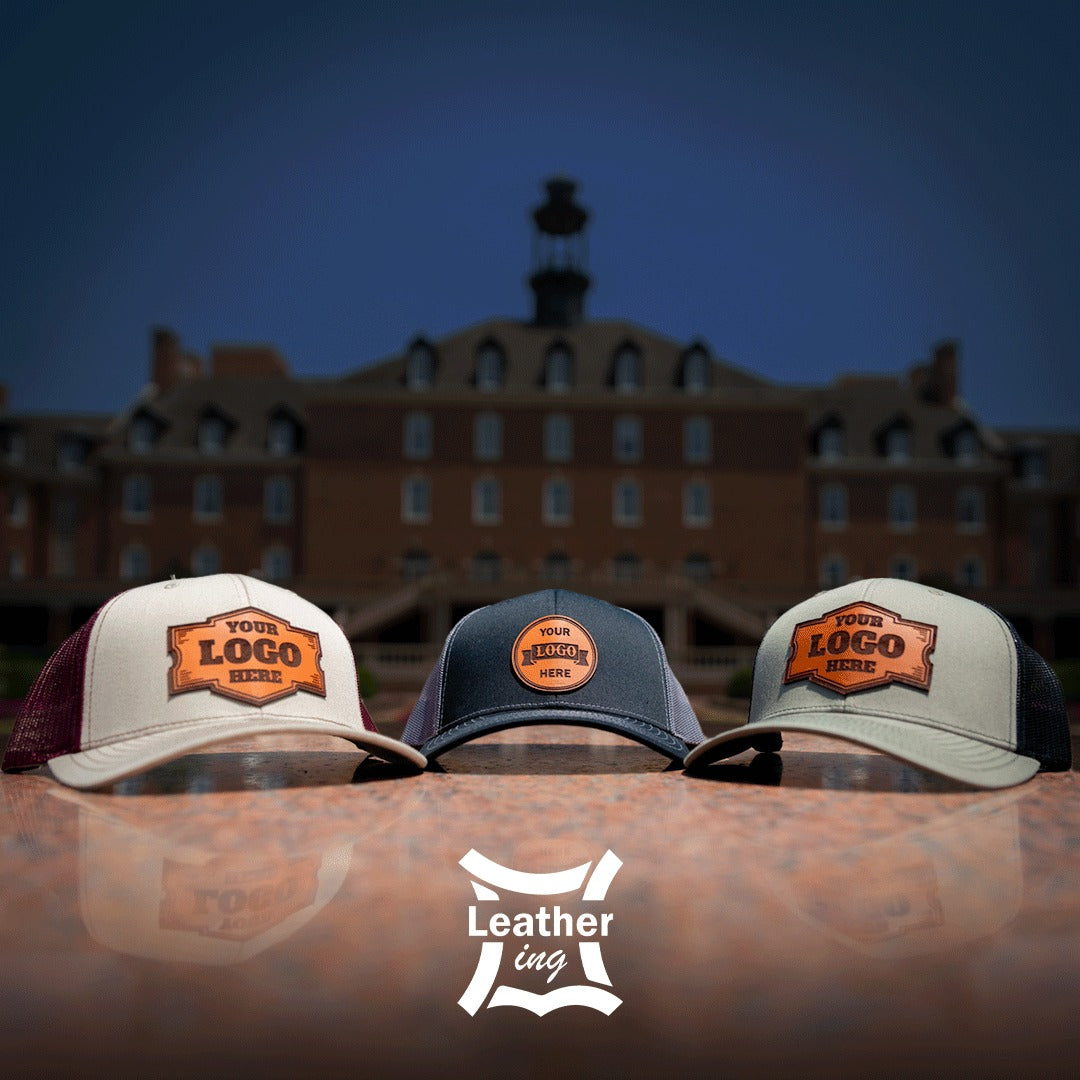
Quick answer: a patch hat bar lets guests pick a cap and a patch and watch you press it in about a minute. To start one you need blank caps in a few colors, patches engraved ahead of time (the event logo, a monogram or a few stock designs), a cap heat press that runs on a standard 120 V outlet, a simple table setup and a price per hat or per guest. One automatic press handles roughly 30–40 hats an hour, so plan two presses for big crowds.
Why hat bars are everywhere right now
Hat bars have spread from western boutiques to weddings, bachelorette parties, brand activations, festivals and pop-up markets. Guests leave with something they made themselves, and hosts get a favor people actually wear. A patch cap bar is the simpler version of the trend: no steaming or shaping felt, just a trucker cap, a leather patch and a press.
What you need
| Item | What to bring | Tips |
|---|---|---|
| Caps | Structured truckers like the Richardson 112 in 4–6 colors | Snapbacks fit most adults, so you don't need sizes. See the best hats for leather patches. |
| Patches | The event logo or monogram, plus 3–5 stock designs | Engrave them before the event. We make custom leather patches with a minimum of 12 per design. |
| Press | A cap press with an automatic open, ideally with heat top and bottom | Automatic release means a helper can't over-press a cap while chatting with guests. |
| Accessories | Heat-resistant gloves, tape or an alignment laser, a patch protector | Gloves, laser alignment tool, PressGuard |
| Setup | Two tables, cap display, patch tray, mirror, bags | Lay out patches by design so guests choose fast. |
| Power | One standard outlet per press | Ask the venue where the outlets are and keep the press on its own circuit if you can. |
How many hats per hour
On DuoForge, a leather or leatherette patch takes a 25-second cap pre-heat and a 25-second press. Add loading the cap, placing the patch and a quick check, and each hat takes about 1.5–2 minutes at the press. That's roughly 30–40 hats an hour per press with a steady line. For 150 guests, two presses and two people at the press keep the wait short. Settings for other presses are in the heat press chart.
How to run the line
- Pick a cap. Guests choose a color from the display.
- Pick a patch and its spot. Show a few finished examples so people can point instead of explain.
- Press. The cap is pre-heated, the patch goes on, the press closes and opens on its own.
- Cool and check. Let the cap cool for a few seconds, check the edges and hand it over in a bag.
How to price a hat bar
Most hat bars charge per hat or sell a package with a minimum number of guests. Full-service western hat bars in 2026 listings start around $68 per hat, and some add stylist fees. A patch cap bar has a lower material cost, so you can price below that and still earn well.
| Cost per hat | Typical range |
|---|---|
| Blank structured cap | about $5–$10, depending on supplier and quantity |
| Patch | about $0.43 engraved from a leatherette sheet, or $4.90 for a custom full-grain leather patch (less with volume pricing) |
| Bag and tag | under $1 |
Then add your time at the event, setup and teardown, travel and a share of your equipment. A per-guest package with a minimum (for example 40 or 50 hats) protects you on small events.
Tips for busy events
- Pre-heat the press before doors open and press one test cap.
- Bring extra caps in the colors you expect to be most popular, and sell the leftovers later.
- Offer a premium option: a full-grain leather patch or a second patch on the side.
- Put a sign with your name and booking link on the table. A hat bar is its own advertising.
FAQ
How much does it cost to start a hat bar?
One blank-hat supplier estimates $1,000–$3,000 to get started. Most of it is the press, a first stock of caps and patches, and display pieces.
Can I run a hat bar outdoors?
Yes, with power and shade. Keep the press out of direct sun and wind, and on a stable table.
Do I need a laser to run a hat bar?
No. You can order custom engraved patches or pre-cut blank patches. A laser lets you add names and dates on the spot.
Which patches press fastest?
Patches with heat-activated adhesive already on the back. Our blanks and sheets come with it applied, so there's nothing to glue at the event.